Seattle is a high-intent, tech-literate market where traditional “set-it-and-forget-it” marketing gets filtered out like spam. Whether your business is a staple near the Space Needle or you’re fighting for visibility along the I-5 corridor, standard agencies fail because they sell you tasks instead of a system. In a city defined by innovation, relying on disjointed services—like a basic website or unoptimized ads—is a recipe for invisibility.
Standard advertising fails in Seattle because:
- The Proximity Wall: Seattle’s unique geography and waterways create search barriers. Without GBP Optimization and Geo-tagged image uploads, you fail to Own the 3-Pack in isolated neighborhoods like West Seattle or Ballard.
- The Response Deficit: Seattle customers expect Silicon Valley speed. If you miss a call without Missed Call Text-Back (our “Revenue Rescuer”), that lead has already moved on to a competitor in Bellevue before your phone hits the charger.
- Wasteful Broad Targeting: Most agencies ignore Negative Keyword Filtering, burning your budget on low-intent clicks that never turn into King County revenue.
Muon replaces the “Typical Agency” with The Growth Engine. This is a Unified ecosystem built to Command Local Intent and scale your neighborhood dominance on autopilot.
Seattle SEO Questions, Answered
How do you measure SEO results in Seattle?
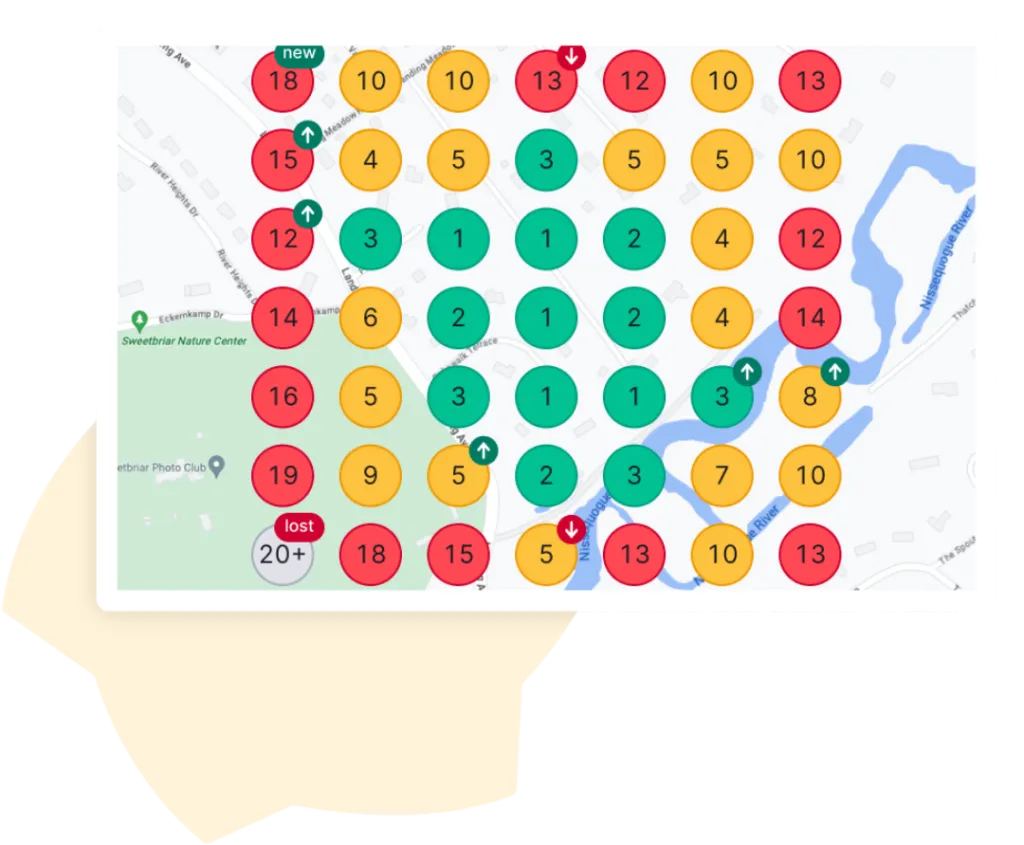
We run a Geo-Grid scan across Seattle and report your position from each point on it, not one citywide average. An average hides the zones where you are invisible, and Capitol Hill can rank very differently from West Seattle.
Can you help if I serve several towns around Seattle?
That is our specialty. We build a dedicated page for each place you serve, so a search in Bellevue, Redmond and Kirkland finds you the same way a search in Seattle does.
Which Seattle neighborhoods do you cover?
All of them. That includes Capitol Hill, Ballard, Queen Anne and West Seattle, plus the area around Space Needle and the I-5 corridor.
What makes ranking in Seattle different?
Local intent here clusters tightly around I-5 and Space Needle. A strategy tuned for one part of Seattle can fail two miles away, which is why we optimize by zone rather than treating the city as a single target.